


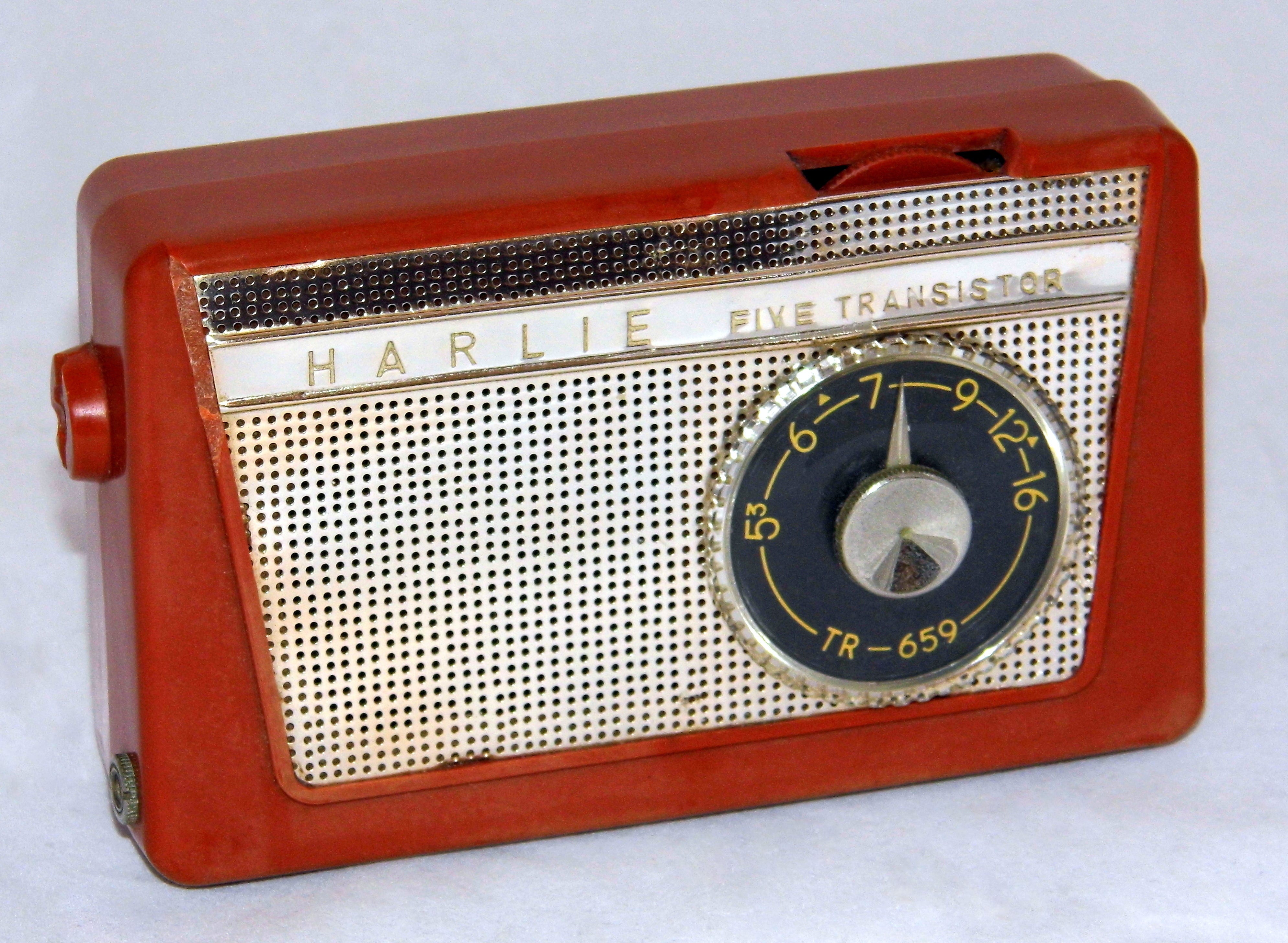
Harlie Radio image by Joe Haput CC BY-SA
Far Out is Doom: Chapter 1
by Cosmic Poet Simon Pole
A strange snow it was, that ash, when it fell,
In swirls around the city, and the haze
Full of smoke too, which settled, undisturbed
By heat-seared wind, and stifled choking lungs.
Afar out, where the suburbs lay empty
There was red, a snaking glow that sputtered
And flared throughout the day, and burnt at night.
Was it a fire? Some insisted it was
In days when a mass still lived in these streets,
Their home, and scraps of news, what really was,
Did not come to us except by rumour;
And so, others made noise, this is the end,
The feet of the Apocalypse, and that,
The advance guard, is what burns,
And that burning the crushing pits of Hell,
Where all that lives is stripped and eaten up,
And left ash, the flake of matter once good,
And this, this dead refuse is what filtered
On us, and that we ate in our poor fare,
And breathed in our coughing breath, as we,
In the pall, continued to hope for help.
“There is no help,” the man said, in drear rags,
Pockmarked and bald, a skeleton almost,
And this, a ruin of girder and beam,
Open to the oppressive sky, was once
His pristine garage, clean as a kitchen,
With showroom cars that shone and ran purring,
But gaping wrecks now crowded the corners,
And other twisted metal lay rusting:
There was no pride or living, only life,
Which we still held, though some were losing hold,
And grew to be like the drowner who swims,
But whose limbs grow to be too heavy with effort
Against the swell, and soundless slips beneath.
He was on his way, but said, putting coals
On a small cooking grill where some meat popped,
“I know, cars once got through, but late, nothing.
Don’t think I ramble, or sputter bitter—
I stayed though they counselled evacuate,
Someone had to fix what still chugged, those days,
But now all gears fail, and what turned at dawn
By night is still, when lay we to wake not
On our gross beds, and we eat this false meat.”
His name was Rib, and then another came,
Stealing in through the miasma of grime
That like a curtain hung clouding the door,
To meet us at the coals, and he produced
From underneath his sheath of rags, a pack,
And this, sewn up in some krinkled plastic
He waved, madly wild-eyed, but yet withdrew
And huddled again when we queried it.
Was it food? And he laughed and spat with gall.
“No it’s not food,” he said, “it’s something else.
Is that all you devour? Like some thin dogs,
If there are still dogs that slink uneaten
In the streets—no it’s something for the soul,
If you still have one inside your worn shells.”
And he mused silent before untying
His bundle with mute rev’rence, displaying
In the palm of his scarred hand a flower
That was bright yet, and not to ash succumbed,
A gray shape that kept its formal contours,
But brittle, its life like ours leeched away.
We gasped and drew back, such colour shocked us,
We who had in a palette of drabness
Existed, for what, five or six years now?
But that had been the count, years of collapse.
Rib and some others who huddled with us,
To me looked out of hoods and muffled hats:
All wrecks of humanity, just like me,
Who shook at a flower, that it might die.
I, who by virtue of obscure knowledge,
Weird enthusiasms pursued before,
Esoteric gleanings now commonplace,
Had become a prophet of sorts, a boss,
Or expert in the lay of our new world.
So I said, as judge, “It must be preserved,
At all costs, so we know not everywhere
Is like here, and still, beyond the borders,
Or inside, perhaps, seeds of hope renew.”
But it died all the same, and it we mourned.